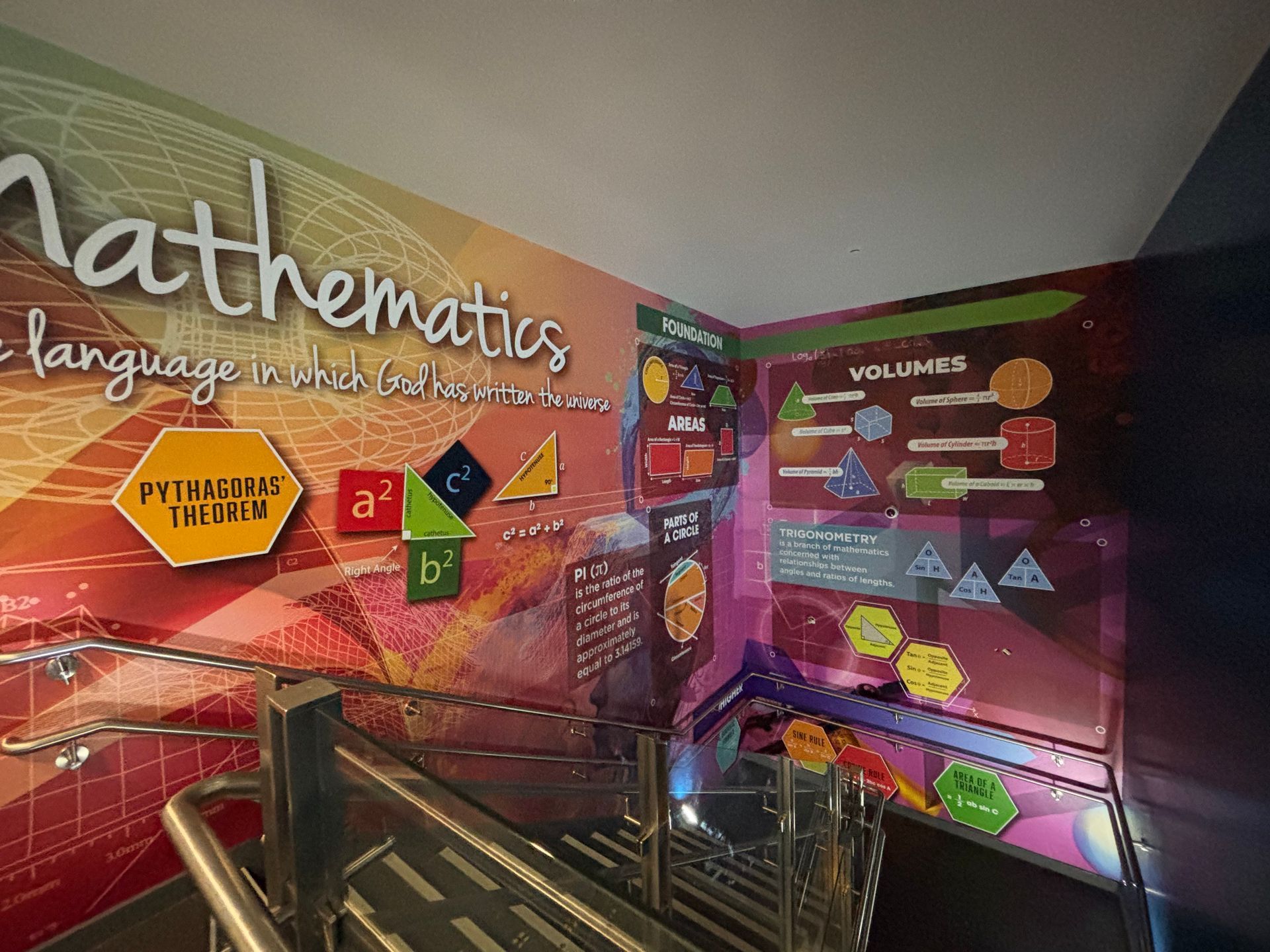
Embracing designs or visuals associated with technology and futurism can indicate an inventive mindset towards education.
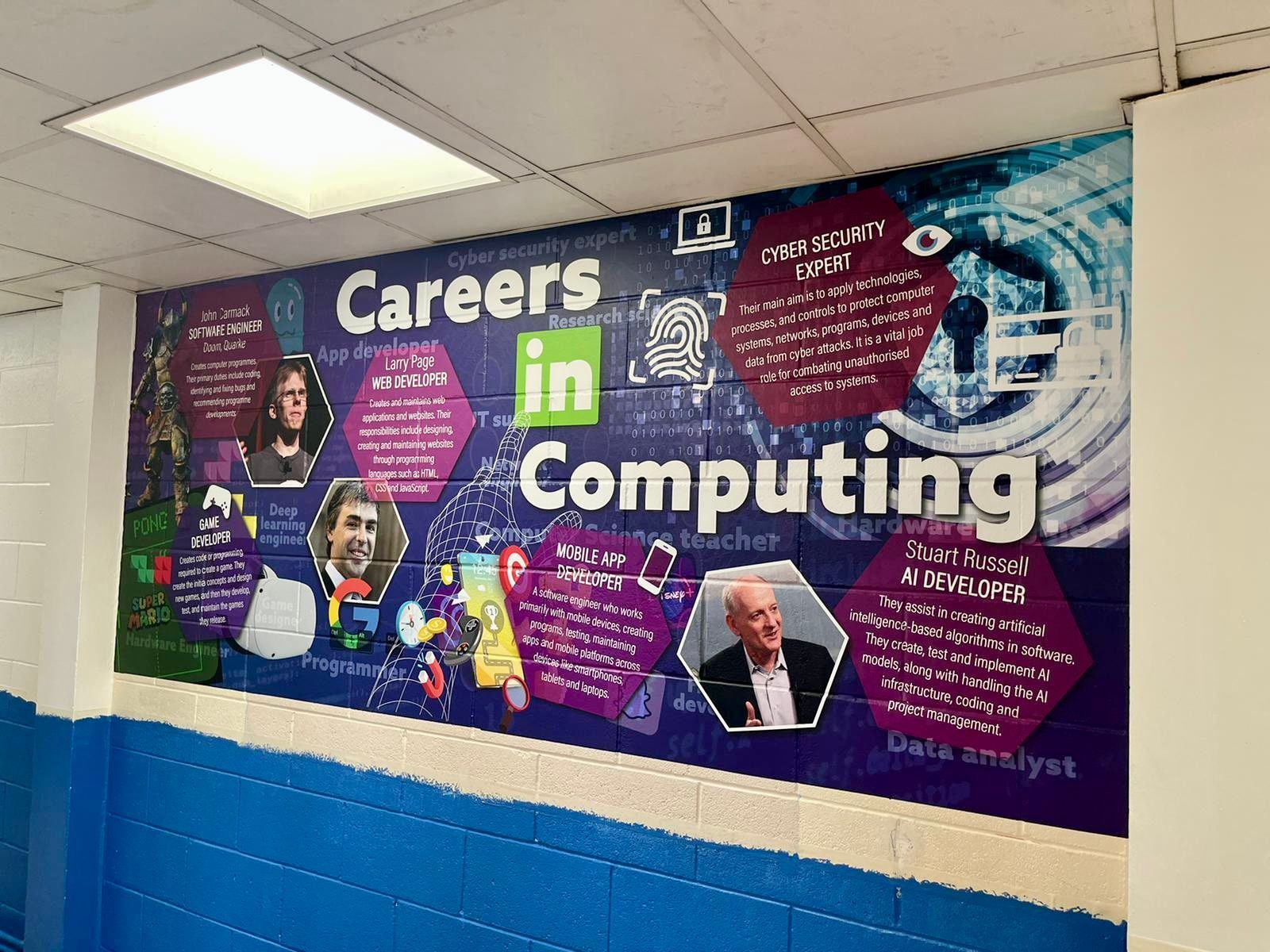
Encouraging Creativity and Forward Thinking Through Wall Art.
Using designs or images linked to technology and the future on wall graphics can indicate an inventive approach to education, portraying forward-thinking ideals. To create and introduce wall graphics that reflect these values, follow these steps;
Essential Design Factors for Encouraging Innovation and Fostering Future Vision
Innovative and stylish aesthetics;
- Create an appearance in minimalist aesthetics by incorporating lines and geometric shapes with a simple colour scheme.
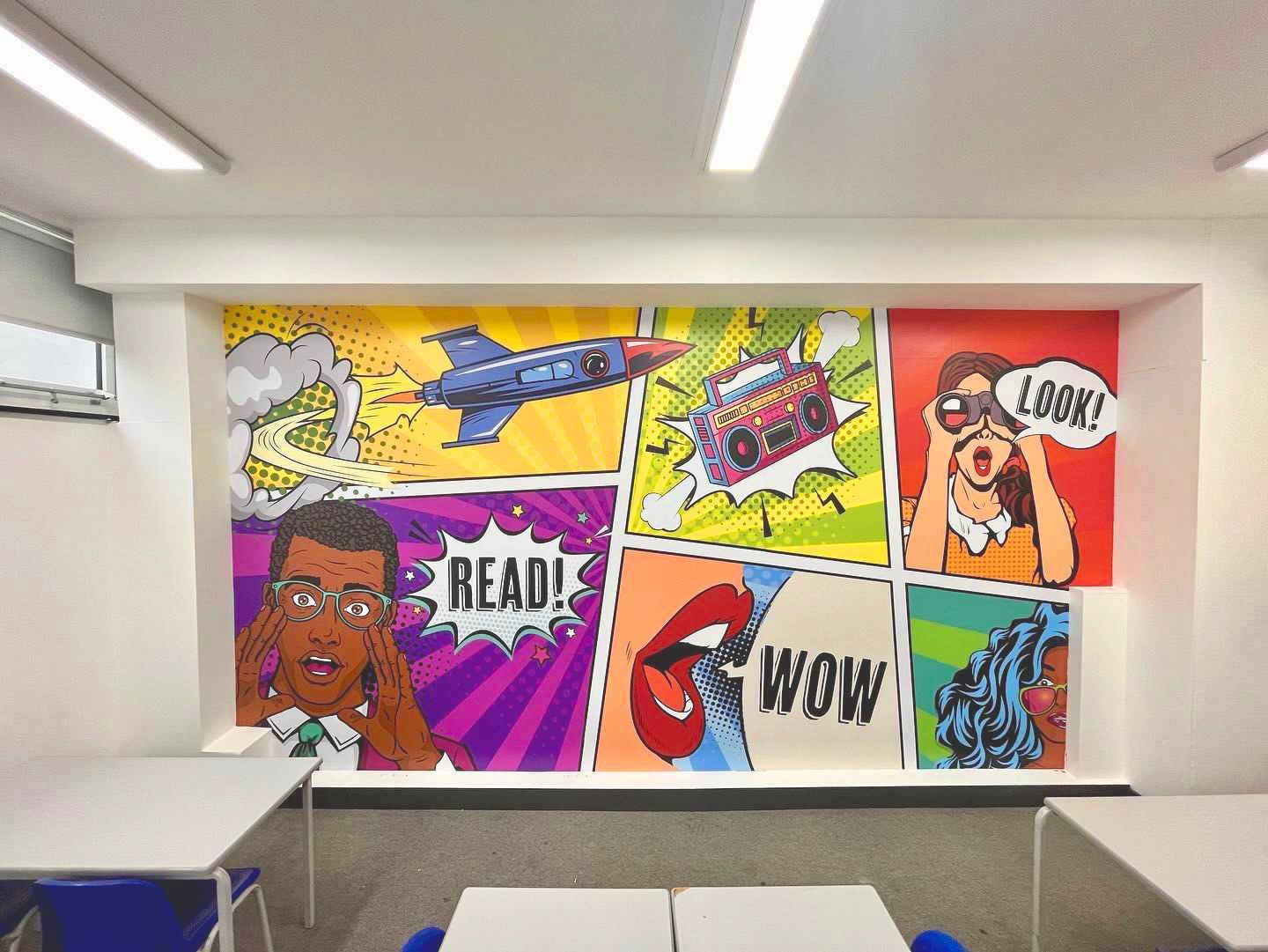
- Use bright colours to grab attention and express a sense of energy and excitement.
- Modern technology symbols should include icons, like robots and digital interfaces.
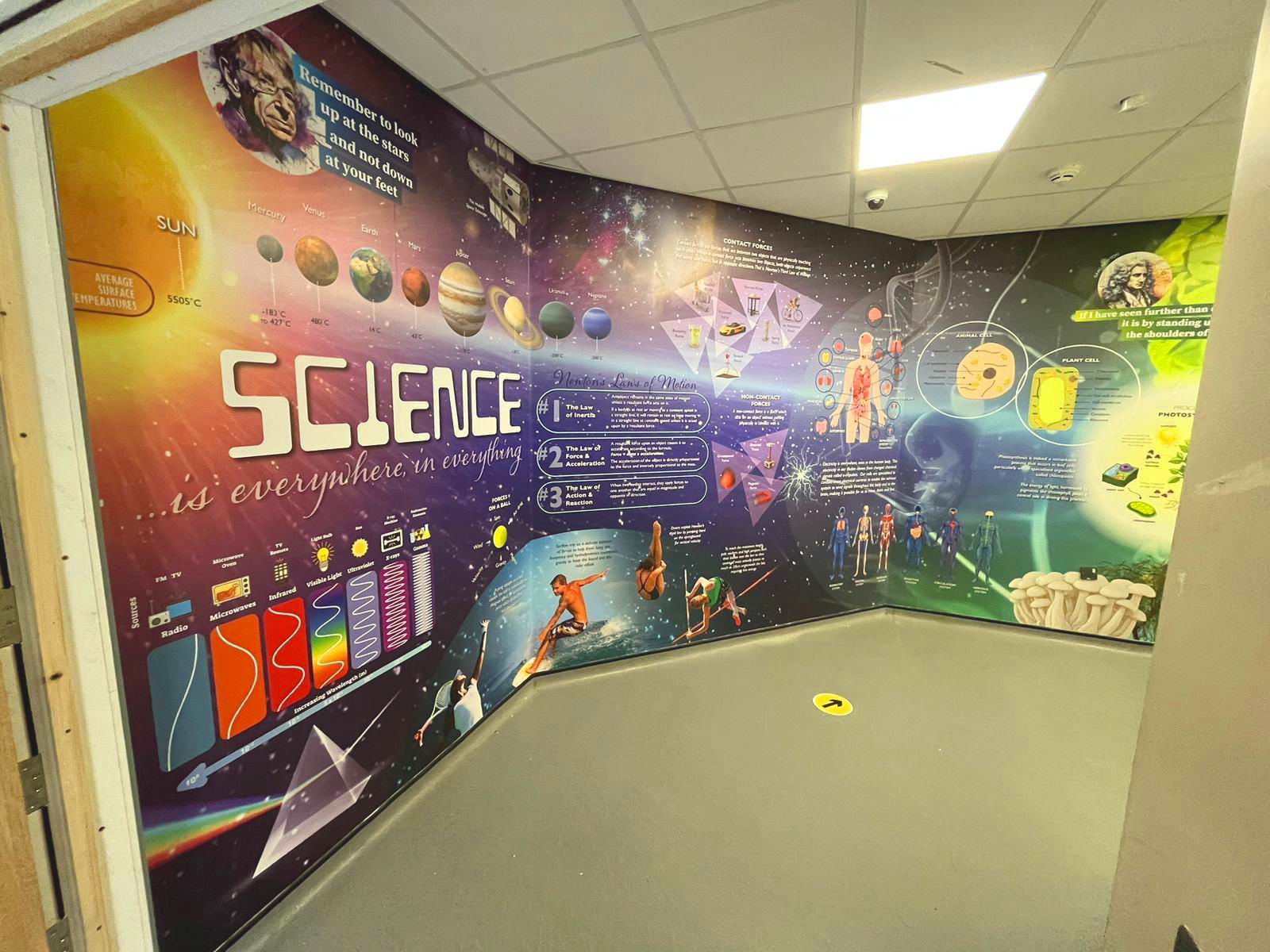
- Let's discuss ideas regarding technology like space exploration, smart cities, and renewable energy solutions.
Visionaries and Trailblazers:
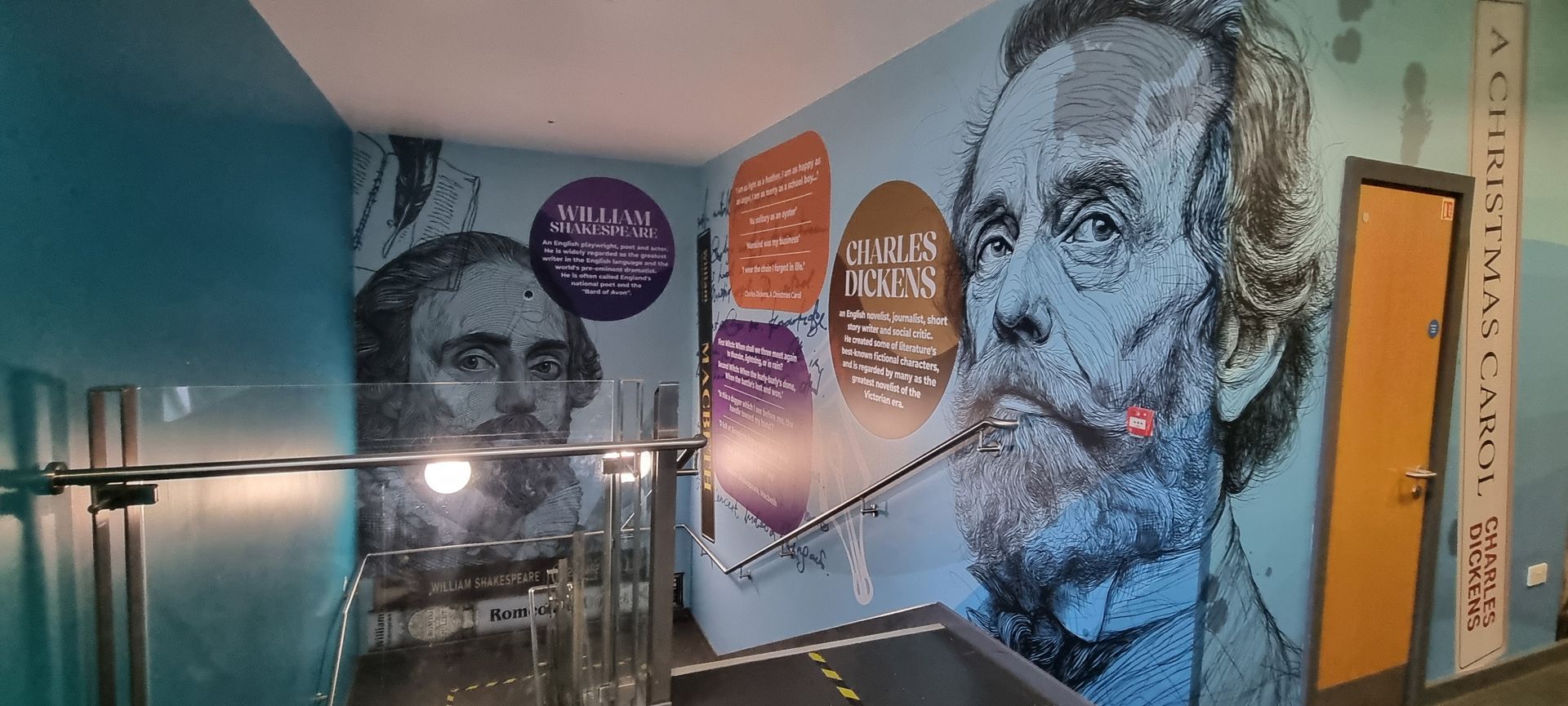
- This segment showcases images and sayings from celebrated visionaries and trailblazers in technology, science, and engineering.
- Quotes that spark imagination and promote creativity are shown to inspire students to think and aspire to future achievements.
Interactive dynamic components;
- Augmented Reality (AR) involves incorporating AR features that students can engage with using their smartphones or tablets to enhance the experience with a touch.
- Enhance the learning experience by incorporating components and interactive features that students can use to explore technologies and ideas.
Optimal Positioning for Greater Influence
Lobby Spaces;
- Let's design a mural for the entrance or lobby that showcases our school's dedication to embracing innovation and thinking education. The mural should incorporate sleek, modern design elements and technology themes.
- Feature screens that exhibit student works and highlight technology events along with inspiring quotes on innovation.
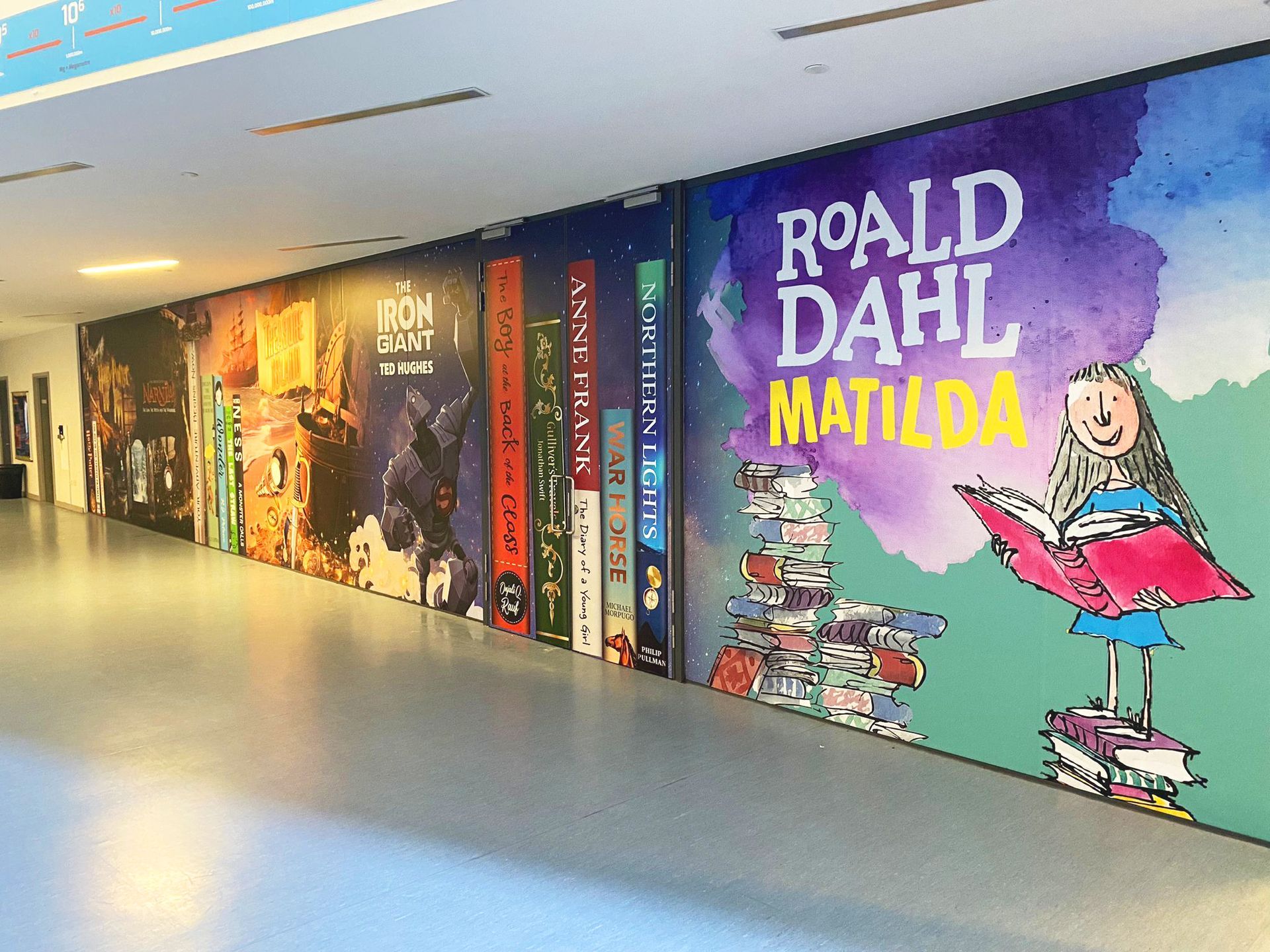
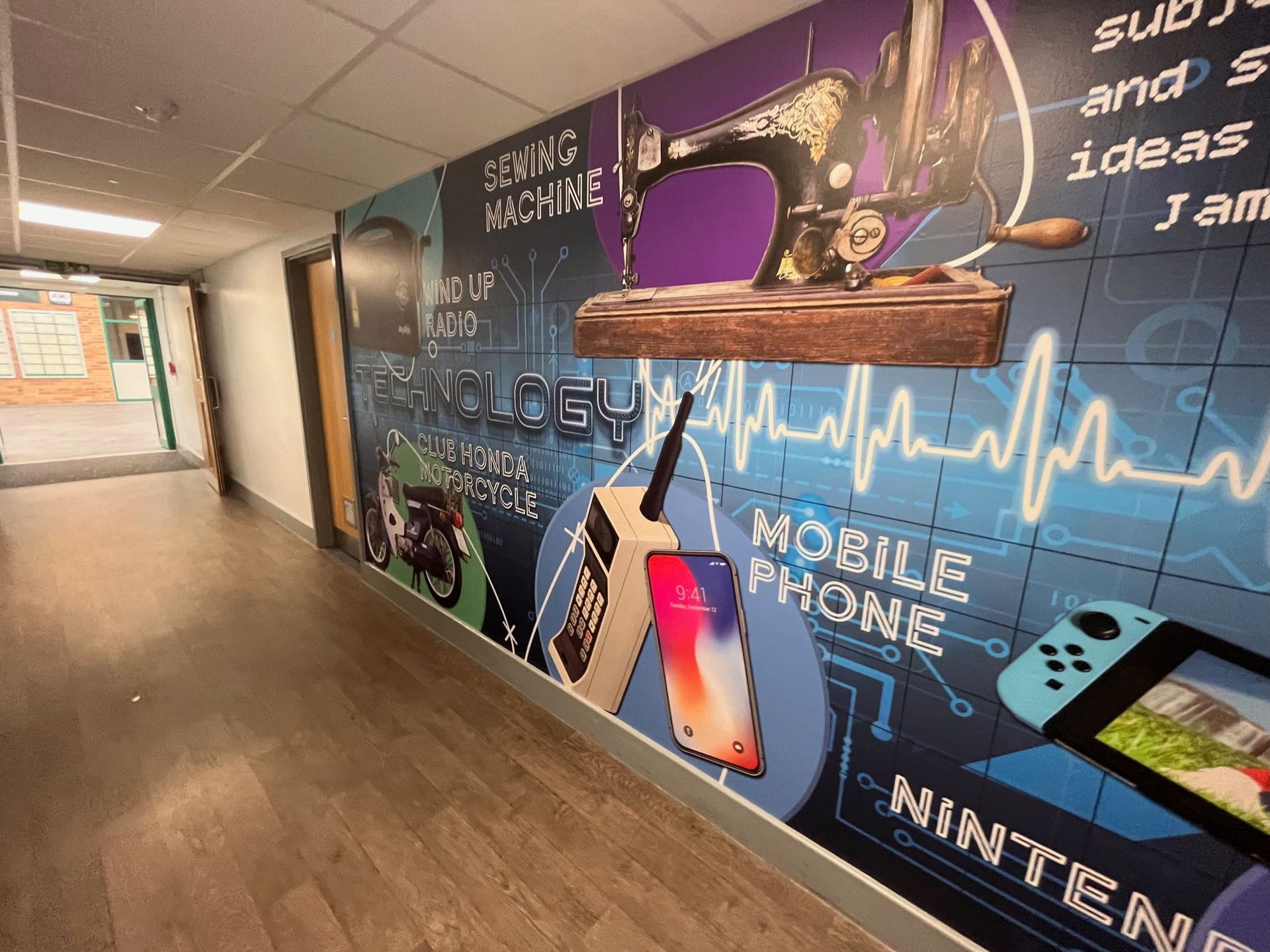
- Create themed hallways inspired by technology and the future by incorporating visuals of space exploration equipment and robotics alongside imagery depicting energy sources.
- Utilise hallway areas to showcase rotating displays featuring the advancements and student projects focused on innovation.
Tech Corners are classroom areas that focus on technology and innovation themes by showcasing posters featuring tech icons, diagrams of inventions, and AR elements.
- Innovation Laboratories. Design areas adorned with captivating wall art to spark creativity and foster a spirit of exploration; think of spaces dedicated to creation and hands-on learning in science and technology.
Common meeting Areas;
- Place vision boards for the future in shared spaces where students can share their thoughts on technologies and projects.
- Let's set up walls equipped with touchscreens or interactive panels so that students can engage in simulations and technology-based tasks.
Strategic Approach for Implementation
- Incorporate student and teacher feedback into the design process to ensure the graphics resonate with the school community's interests and educational objectives.
- Collaborate with designers to craft top-notch visuals that reflect a forward-thinking design style.
Choosing materials;
- Choose safe materials that are non-toxic for kids to play with.
- Choose alternatives by selecting sustainable materials matching the school's environmental sustainability dedication.
Professional Setup;
- Control the installation to guarantee safety and a good look while preventing alignment problems or damage.
- Make sure to place images at heights kids can easily see and reach.
- Ensure the graphics stay fresh and engaging by setting up cleaning and maintenance sessions.
- Schedule updates to bring fresh tech ideas and maintain a lively atmosphere.
Innovative Wall Art for the Future
"Wall painting showcasing advancements in technology and creativity;"
- A mural showcasing technologies, like robotics and AI, alongside space exploration and renewable energy visuals embellished with motivational quotes from technology trailblazers.
- Encourages a dedication to ideas and creativity that motivates students to discover and adopt cutting-edge technologies.
A wall that incorporates augmented reality features;
- A wall embedded with augmented reality features that allow students to engage using smartphones or tablets to learn about progress and future ideas.
- Students actively participate in a learning environment combining aids with online materials.
Creating a vision board for the future;
- A platform where students can share their thoughts and aspirations for technologies and projects, with pictures of ideas and inspiring quotes.
- Encouraging creativity and forward-thinking has an impact by nurturing an environment that promotes innovation and encourages exploration.
STEM Laboratory Illustrations;
- In STEM labs, wall graphics include invention diagrams and inspirational quotes from scientists and engineers to inspire hands-on learning through elements.
- Boosts the atmosphere in STEM fields by encouraging curiosity and hands-on exploration.
Closing Remarks
Using designs and images that relate to technology and the future on walls, decorative visuals could effectively represent a look and inventive attitude towards education. These visual elements not only elevate the appeal of educational institutions but also offer valuable educational advantages by encouraging exploration, creativity and a passion for discovering new technologies. Such an approach aids in readying students for the demands and possibilities of tomorrow, nurturing an engaging educational setting.